Why doesn't a good drawing always become a good sock?
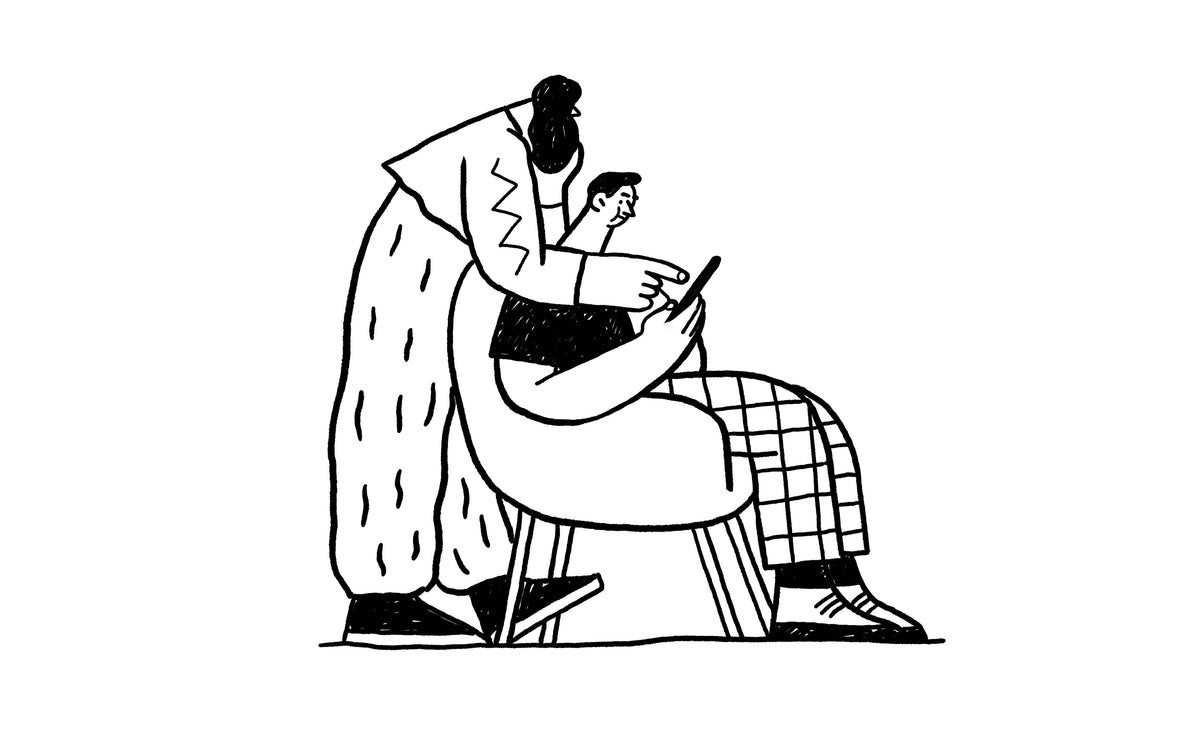
If you look at a finished collection, it might seem fairly straightforward: an artist draws an illustration, the factory knits a sock, the sock shows up in the store.
In reality, a long chain of decisions and rejections sits between the first sketch and the finished pair. Most drawings don't make it to production. Not because they're bad. The sock just turns out to be a more demanding medium than you'd expect.
Reason 1: Colour doesn't only exist in the designer's head

In digital illustration the palette has almost no limit. You can endlessly drag the sliders, hunting for the exact yellow that's a touch warmer than the next yellow, or the exact green with just enough blue to feel cool but not cold.
In knitting it's different. The designer works not with abstract colours but with real yarns. And yarn has its limits. Yes, the range of shades is wide. But never as wide as the illustrator would like.
Sometimes the designer doesn't just need yellow. They need a specific yellow – a touch warmer, a touch less saturated, a touch closer to ochre. On screen, that shade can be created in a second. In production, you choose from the yarns that exist in real life.
This is where the most painful compromises begin.
One colour gets swapped for a similar one. Then another. Each step feels minor. But colour relationships are surprisingly delicate. Sometimes changing a single shade is enough to upset the balance of the whole illustration. The drawing essentially stays the same, but the mood it was made for disappears.
Some ideas end right here. Not because the drawing is bad. The character of the illustration just disappears along with the right shade.
 Reason 2: The sock is a difficult medium
The sock is a rather difficult medium. It's narrow, elongated, constantly bending and stretching. The illustration has to look good on the foot, when folded, and from several metres away.
That's why a drawing that looks perfect in a sketchbook or on a screen can suddenly lose its punch on a sock.
Sometimes there's too much detail, or too little. Sometimes the composition simply refuses to work in this format.
Some images seem made for textile. Others exist beautifully on paper but stubbornly refuse to become socks.
Reason 3: Every line is made of loops

When an artist draws a line on a tablet or on paper, it looks continuous. But for a knitting machine, no continuous line exists.
Every image has to be translated into the language of stitches, rows, and coloured yarns. Every detail has to be rebuilt inside the structure of the knit.
Designing for a sock is closer to translation than to copying. And like any translation, something is inevitably lost along the way.
Sometimes the result is better than the original. Sometimes – not.
What happens next
That's why the biggest folder in our studio is called «Later».
It holds drawings we still like. Some were made years ago. Some might still find their time.
But most will stay sketches.
Not because they lacked beauty or originality. The sock just didn't accept them.
Survivorship bias

When you look at a finished collection, it's easy to think this is exactly how it was meant to look.
But that's survivorship bias.
You only see the designs that made it through the limits of colour, scale, and knit. The rest stayed behind the scenes.
Not because they were bad.
A good drawing and a good sock are not always the same thing.
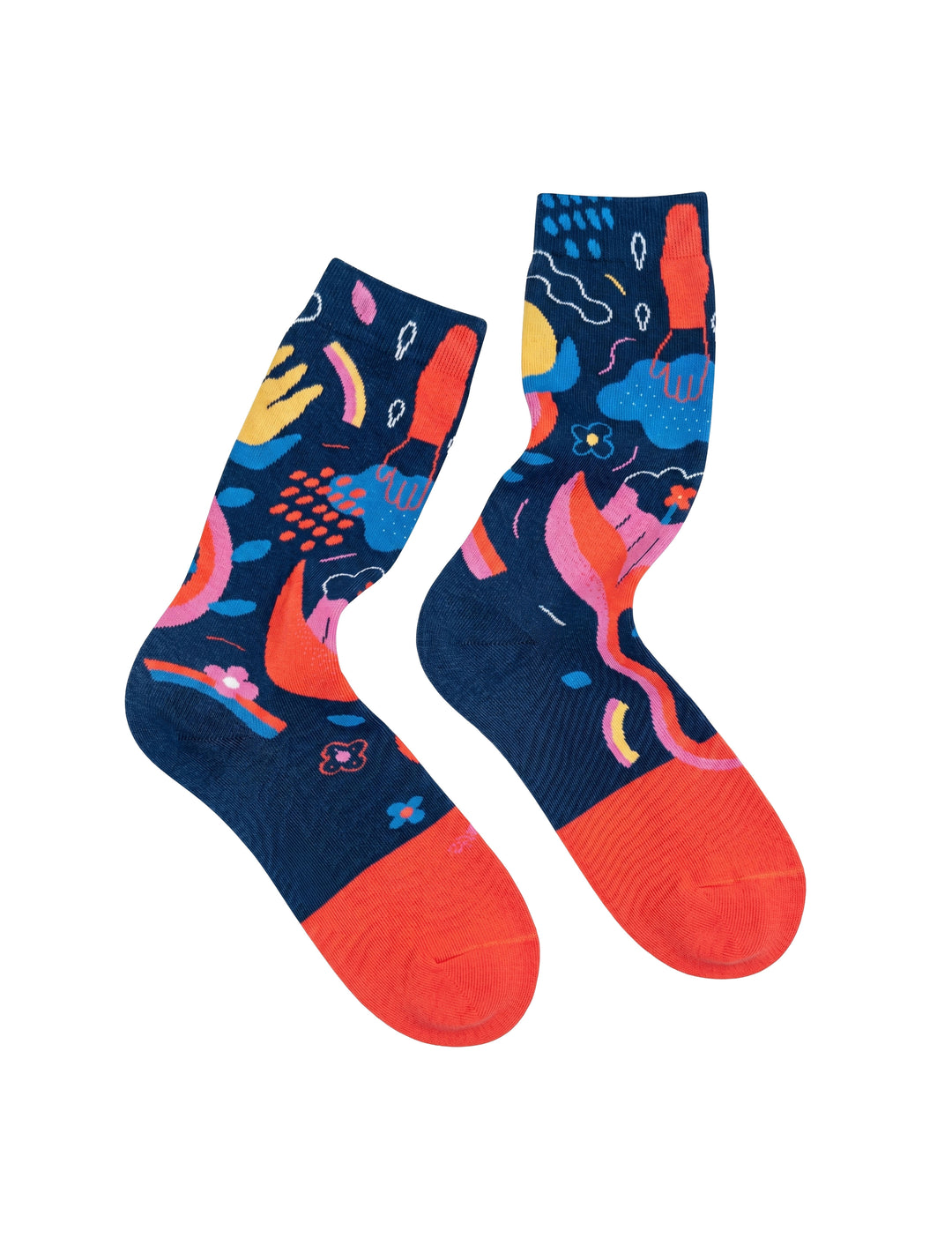
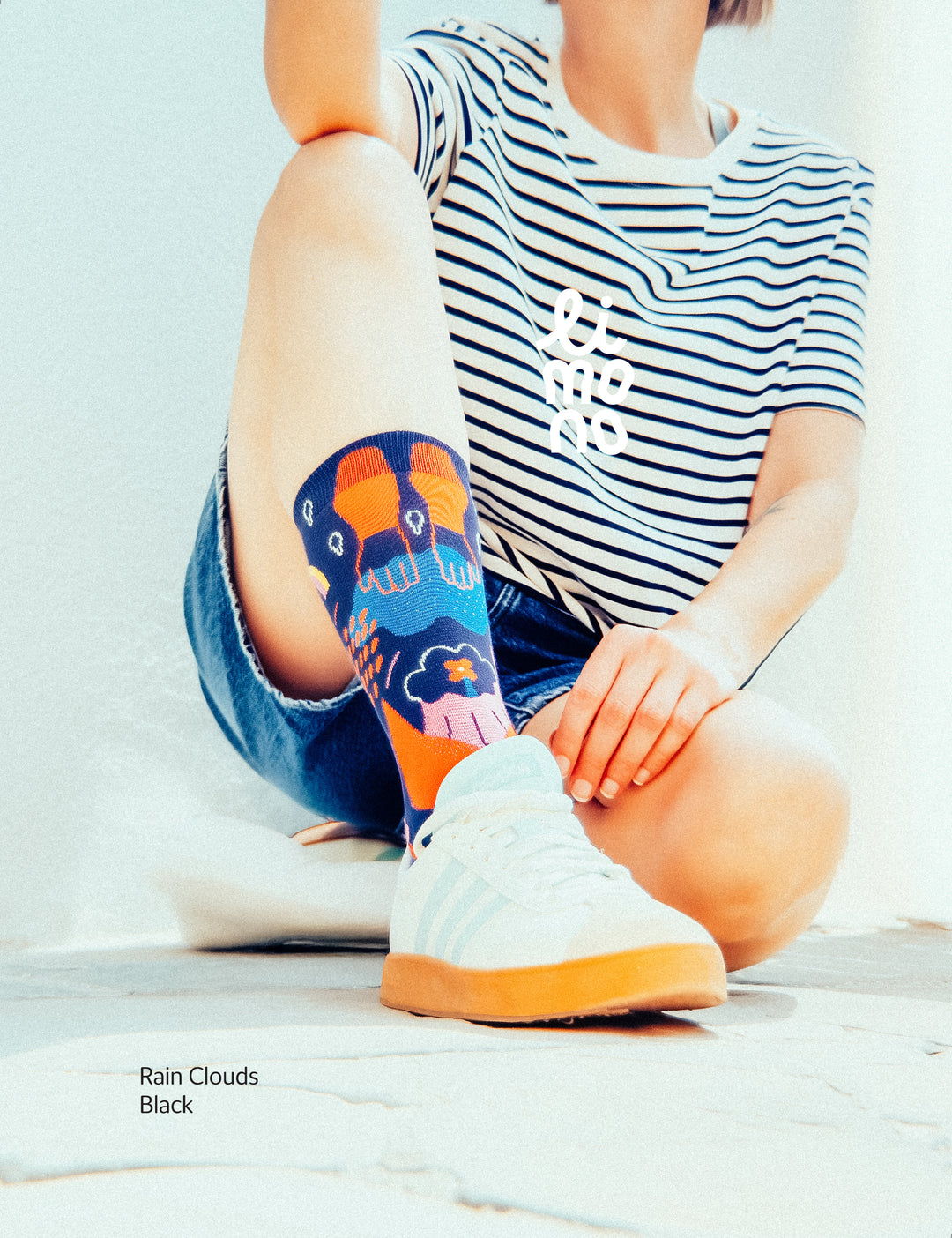
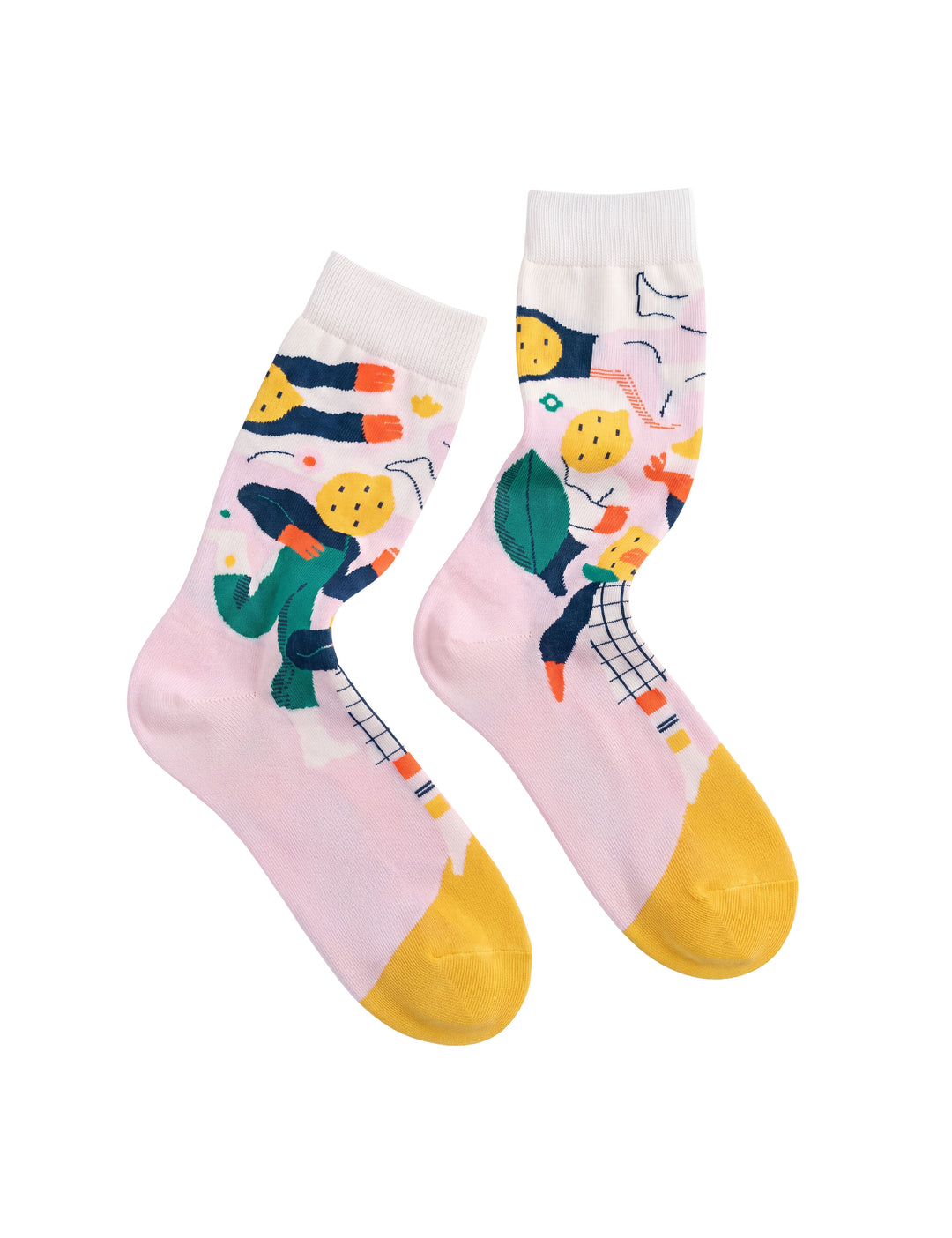
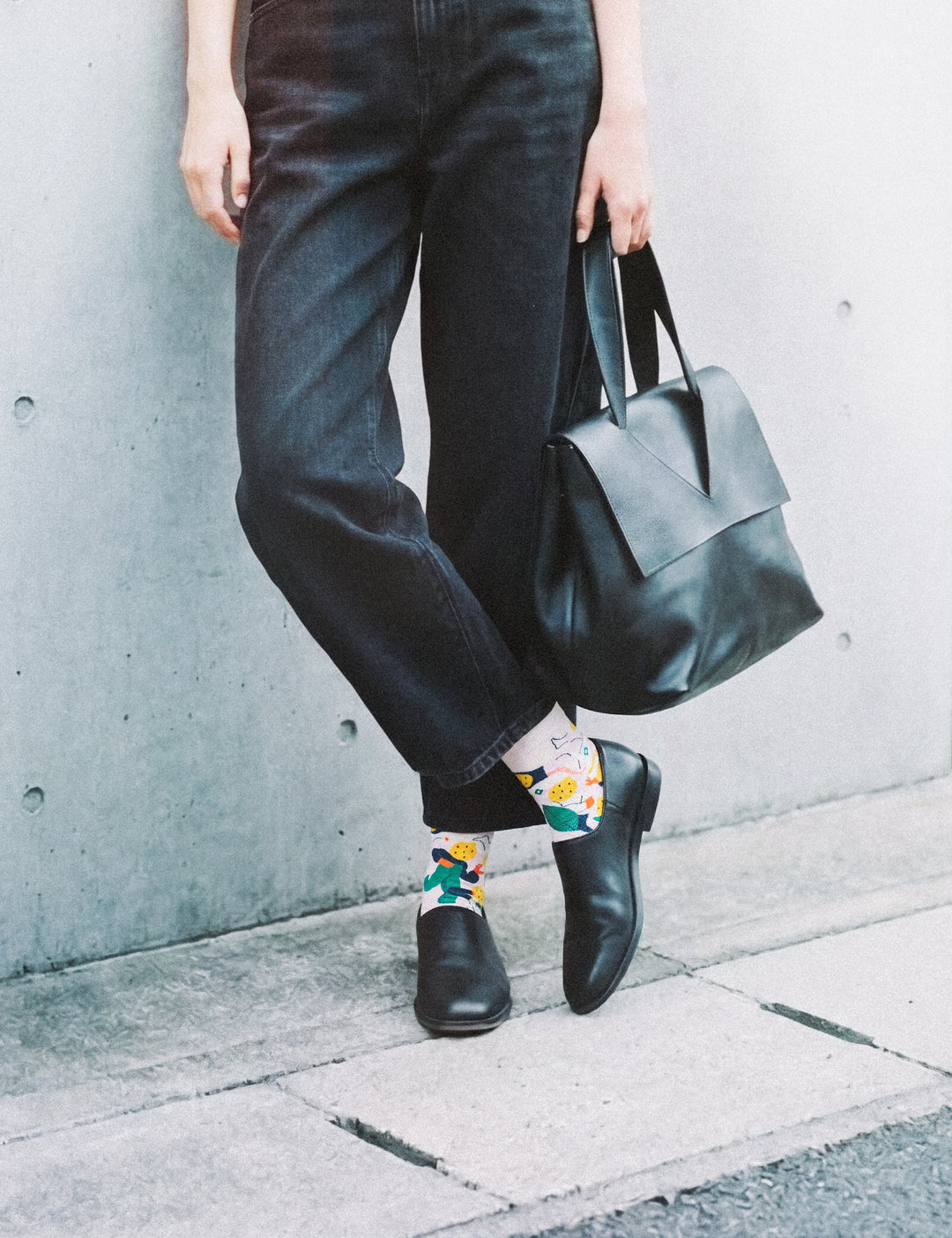
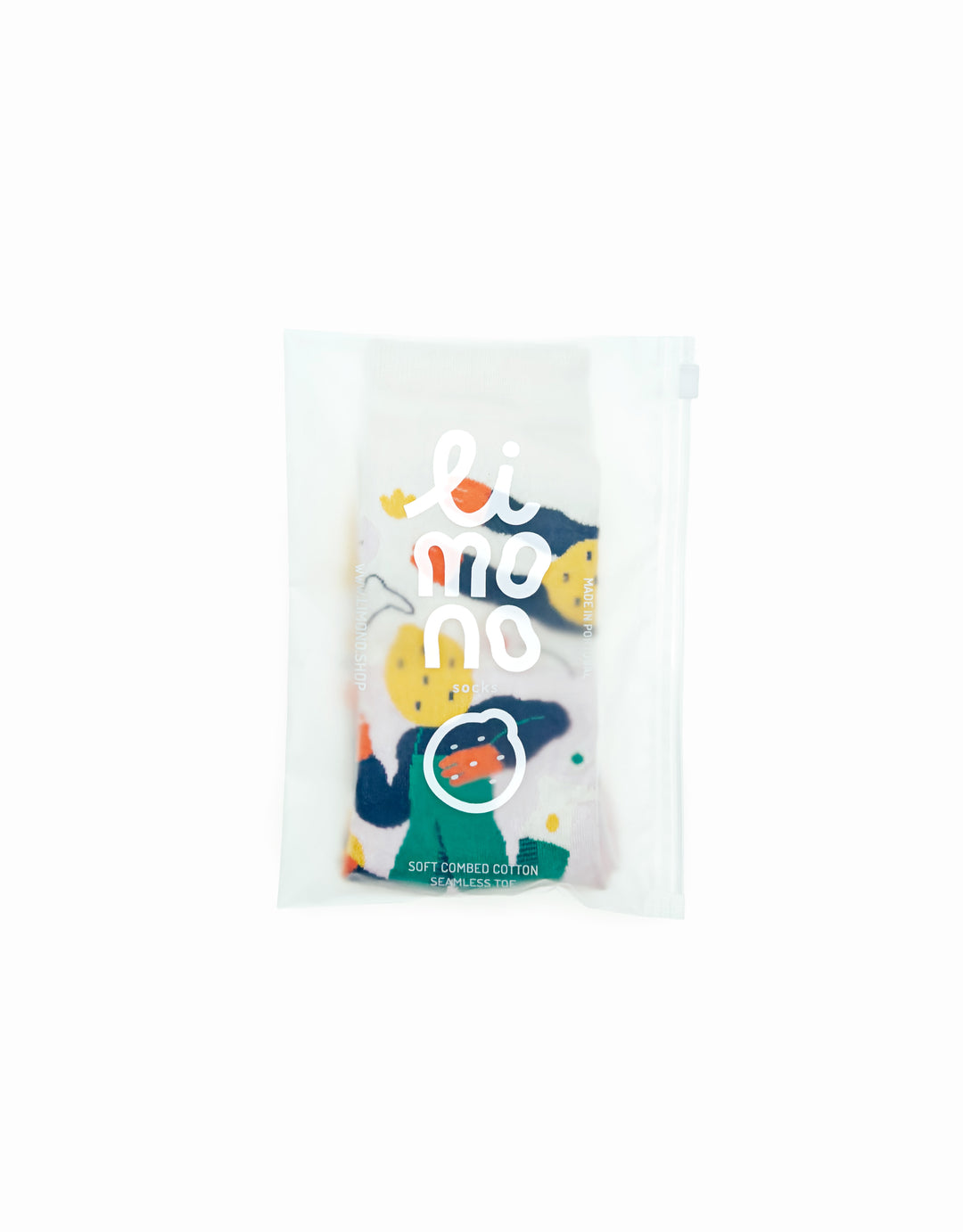
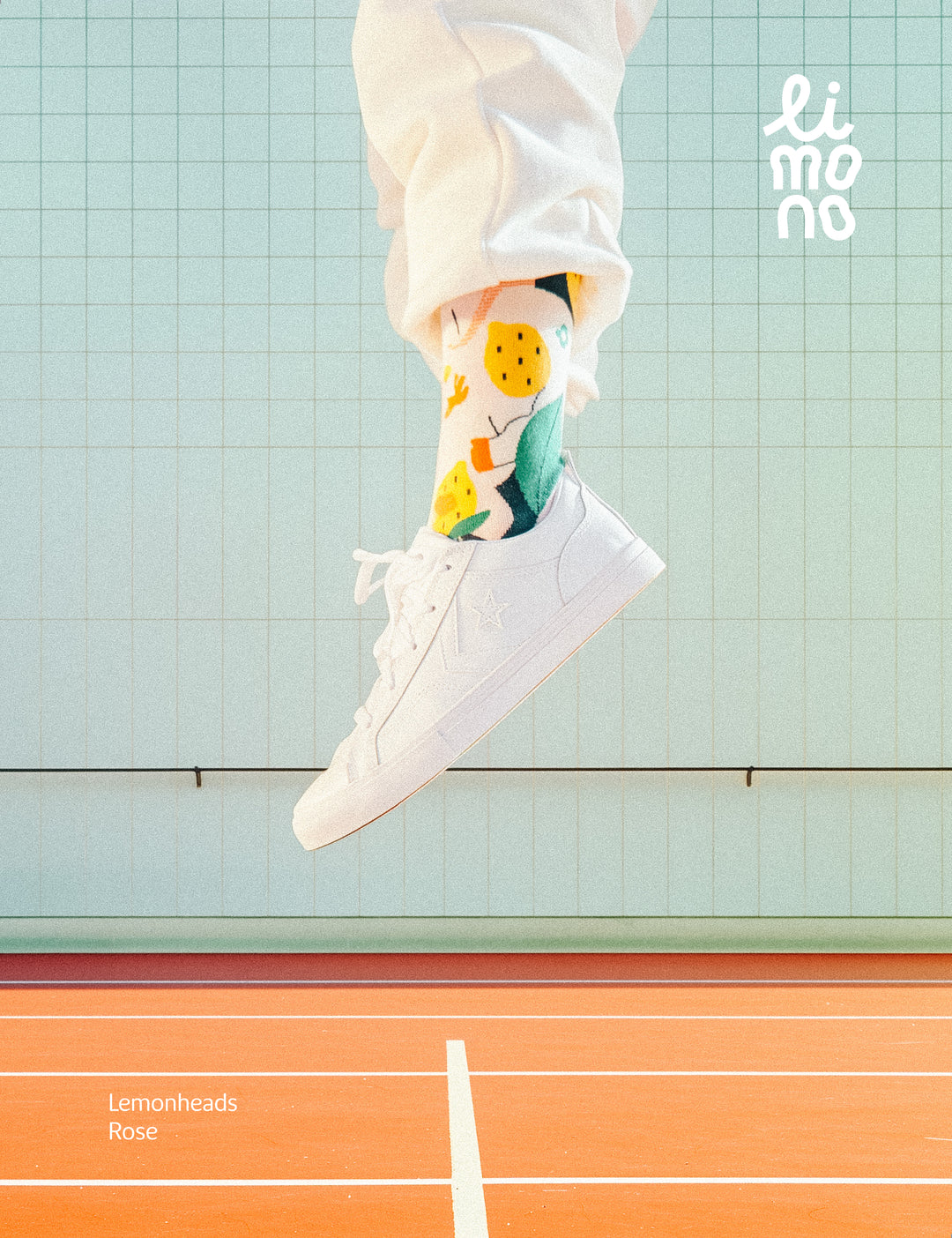
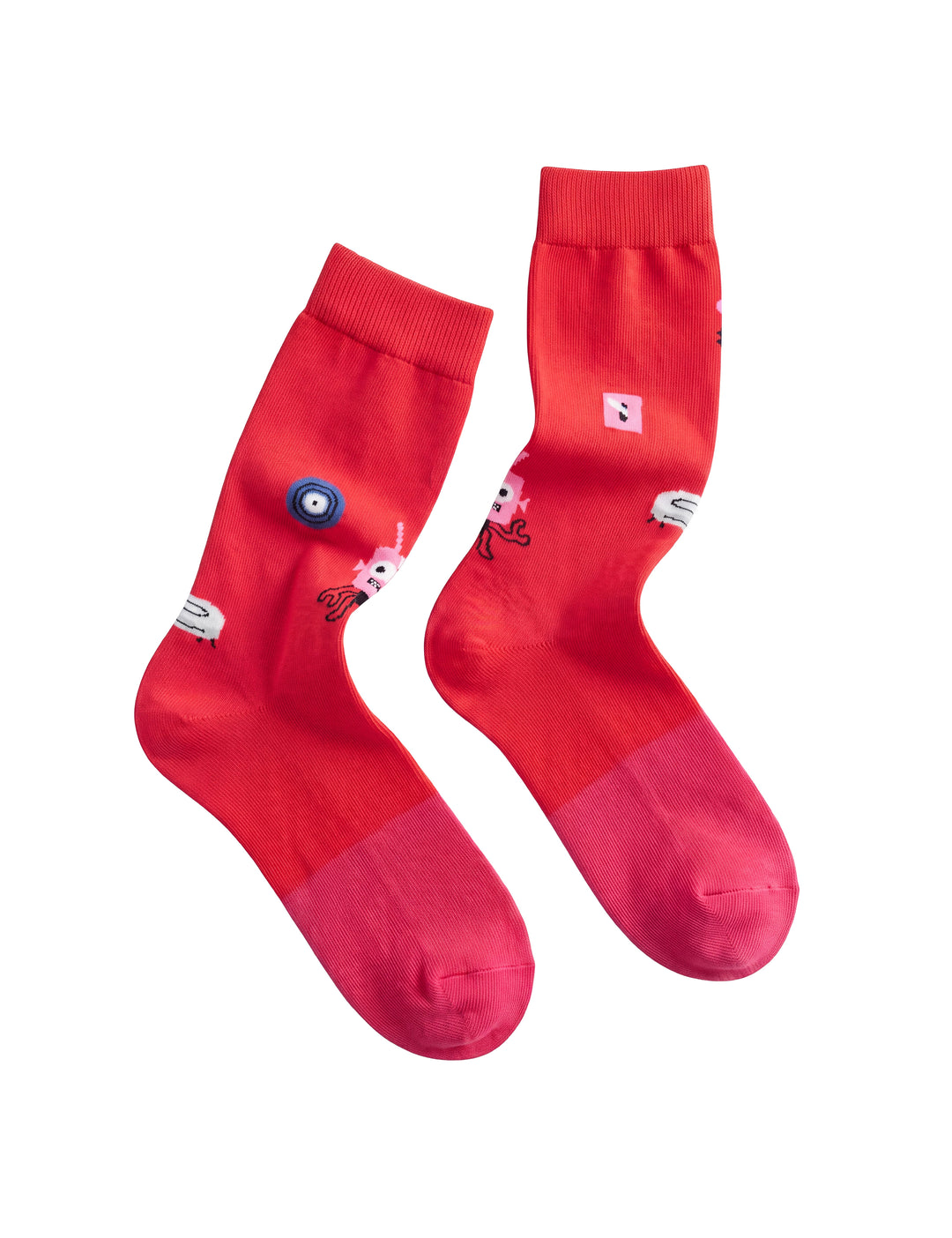
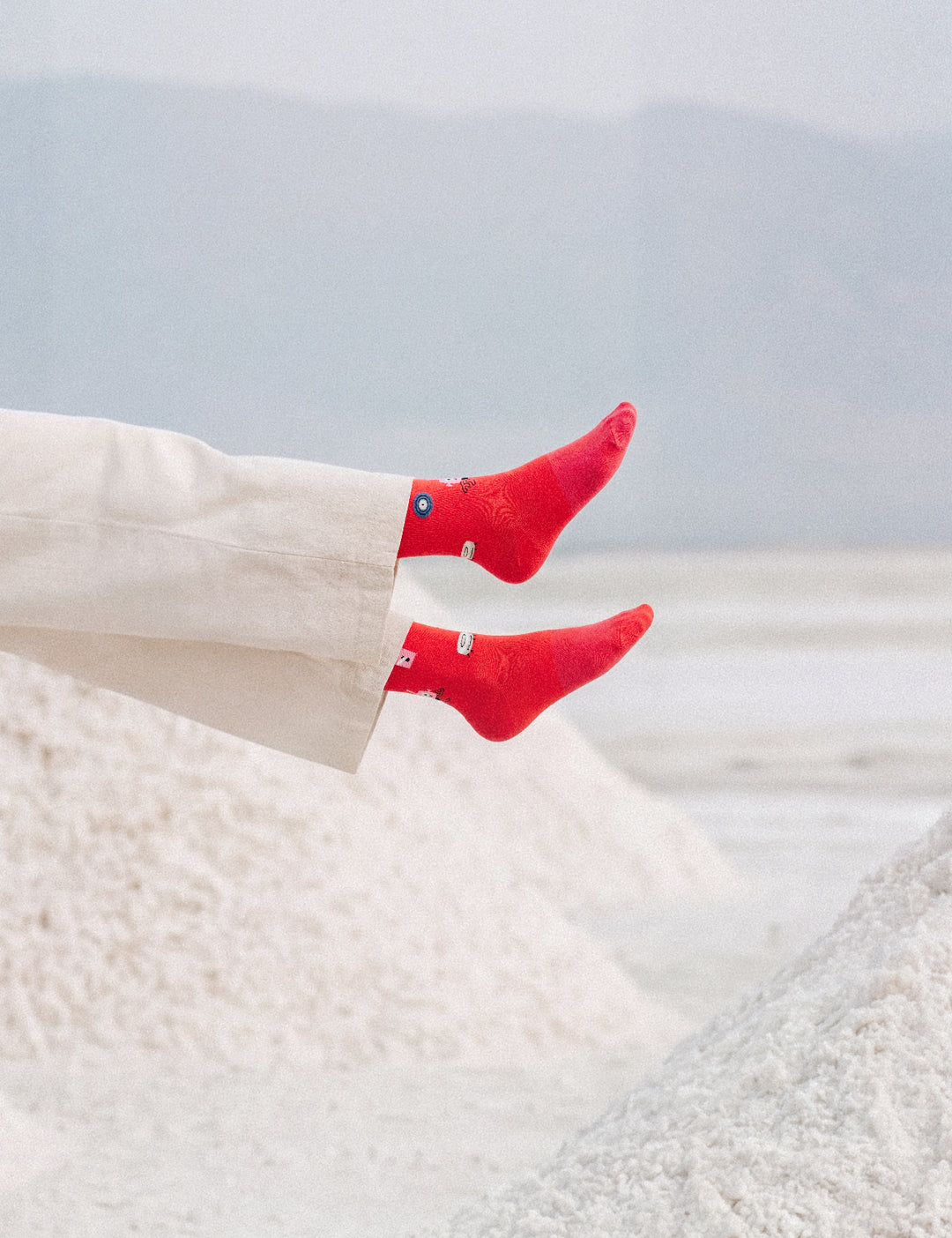
Meet the survivors

Share:
Why your socks are basically Minecraft
Yohji, Rei, and the politics of black