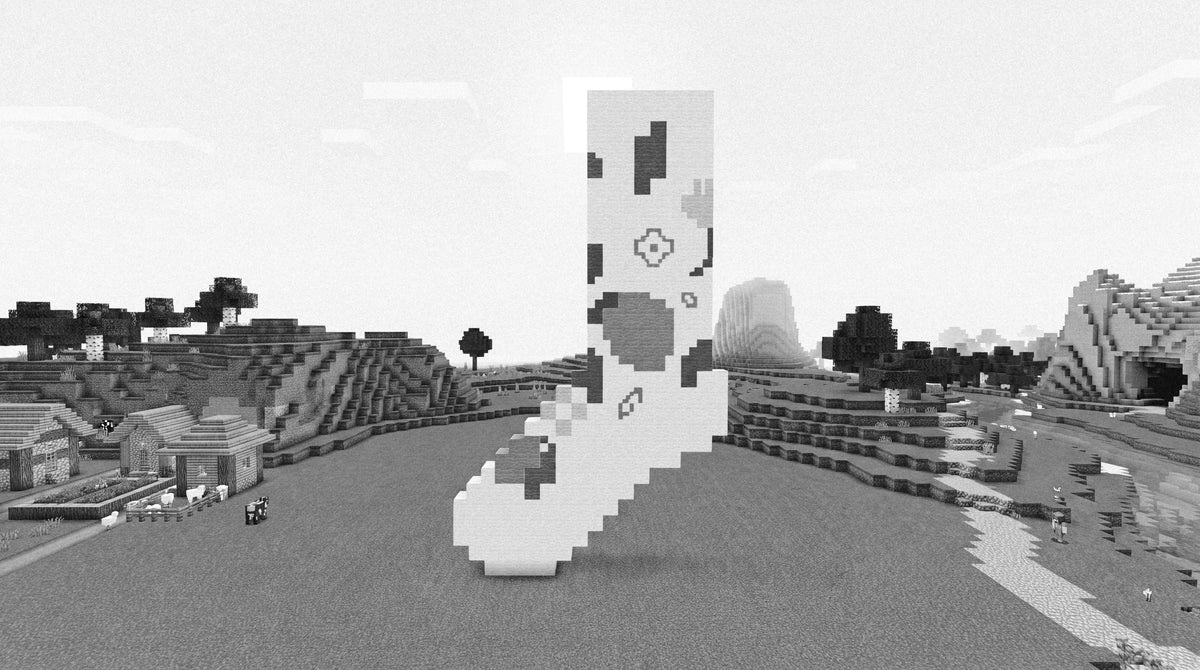
What do socks have in common with pixel graphics?
Pixel and stitch

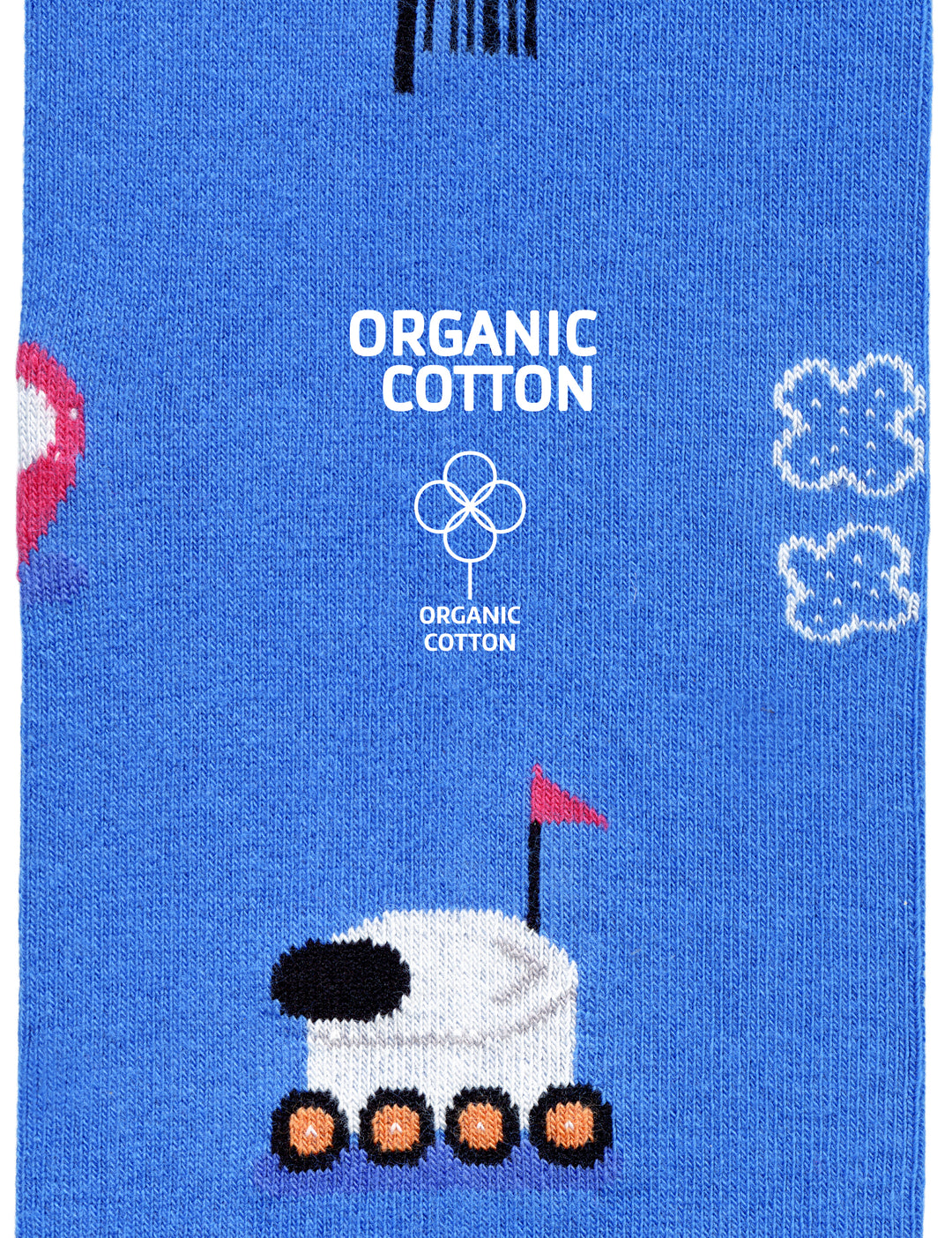
Zoom in on the illustration on a sock and you won't see smooth lines.
You'll see pixels.
Except instead of glowing squares on a screen, they're small loops of cotton yarn.
Each illustration on a sock is built one loop at a time. Like mosaic. Like embroidery on canvas. Like an old computer game where every element had to fit a fixed grid.
What a sock can't do

Drawing for a sock isn't the same as drawing for paper or a screen.
On paper you can draw a thin line in any shape. On a sock the line has to follow the structure of the knit. Each loop has its place, and the designer thinks twice: as an artist and as an engineer.
Sometimes a good drawing has to be redone from scratch. Not because of quality – the sock simply can't draw a diagonal as freely as a pencil can.
Modern machines are more precise than old ones, but the principle is the same: the image is built from individual coloured loops.
The jacquard up close

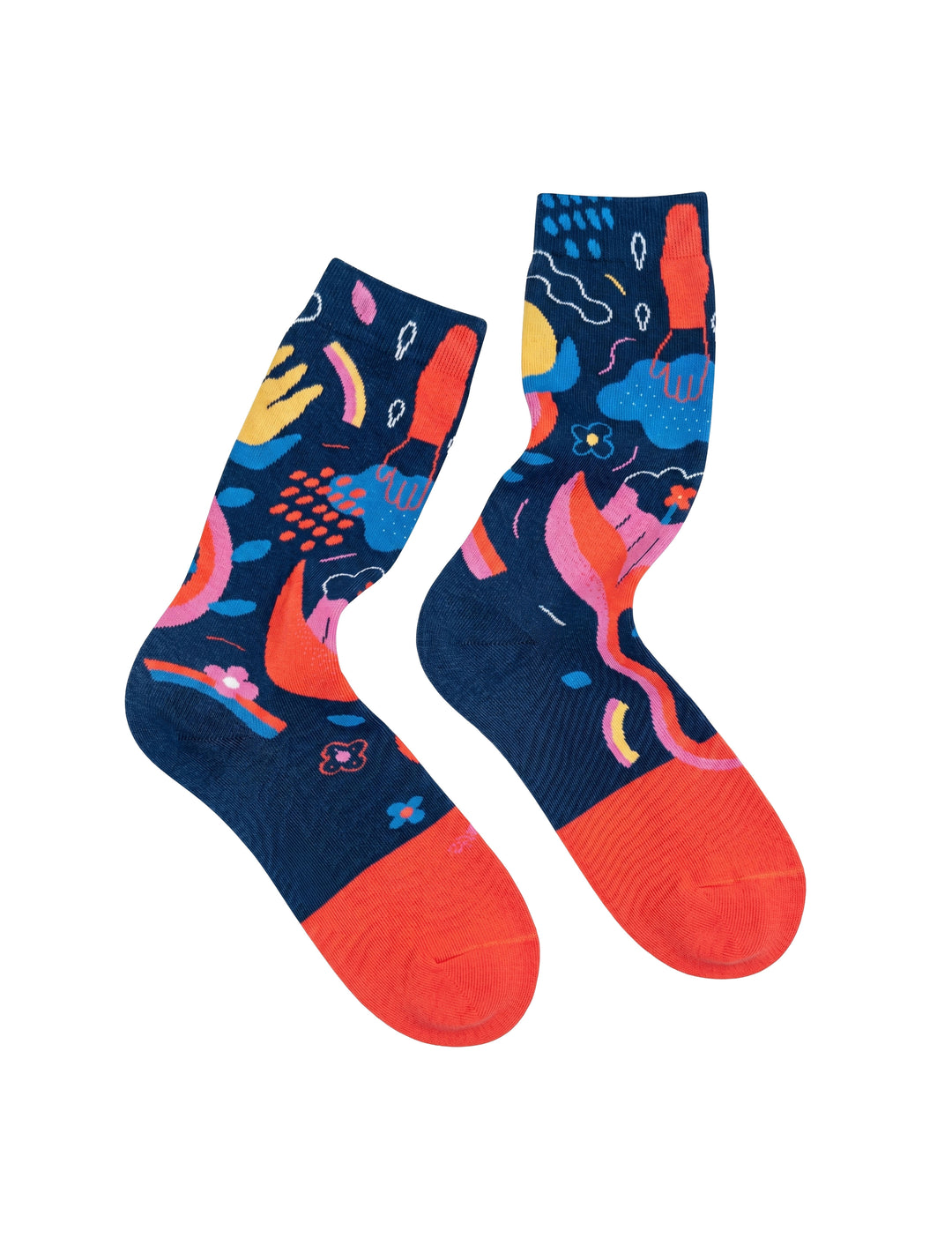
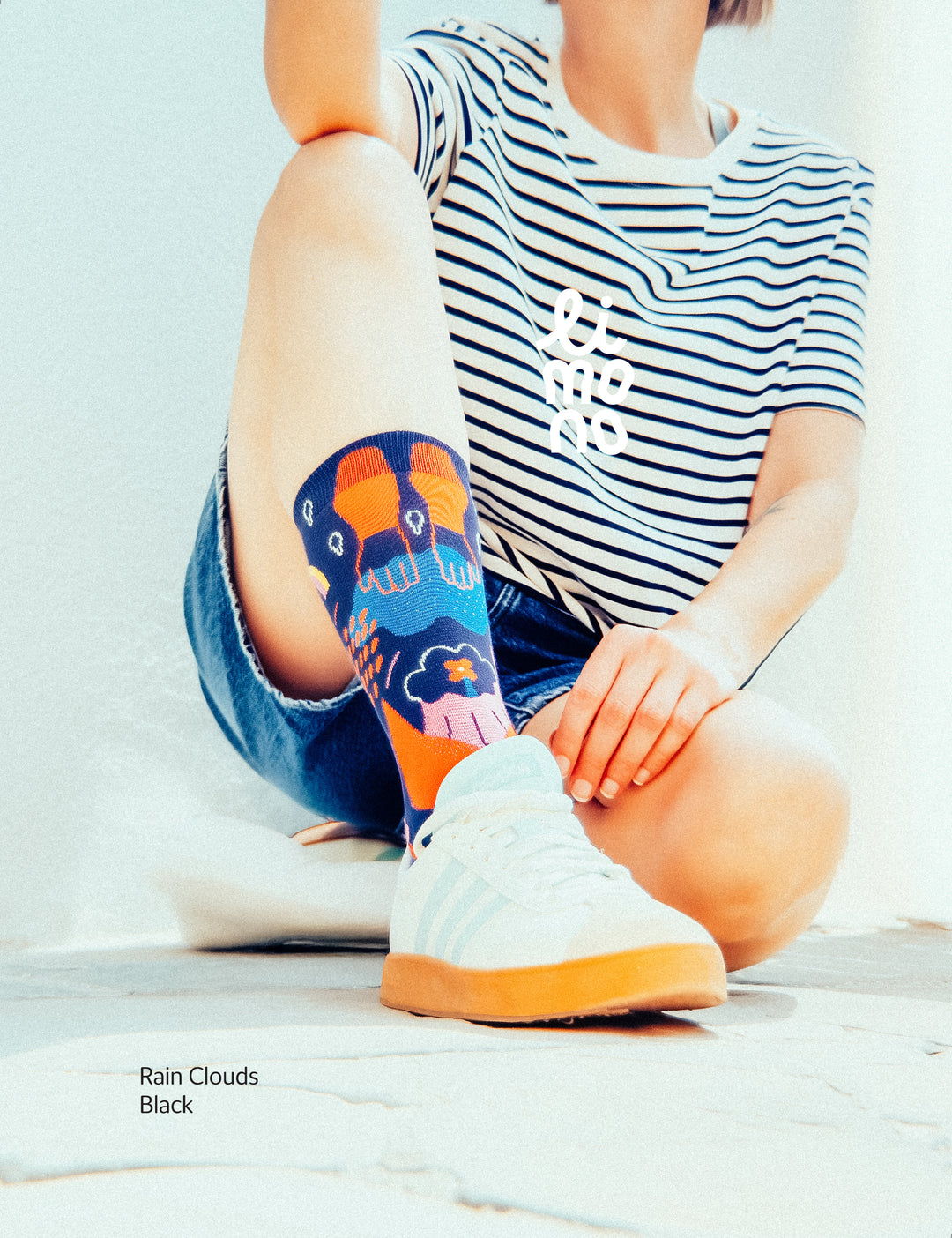
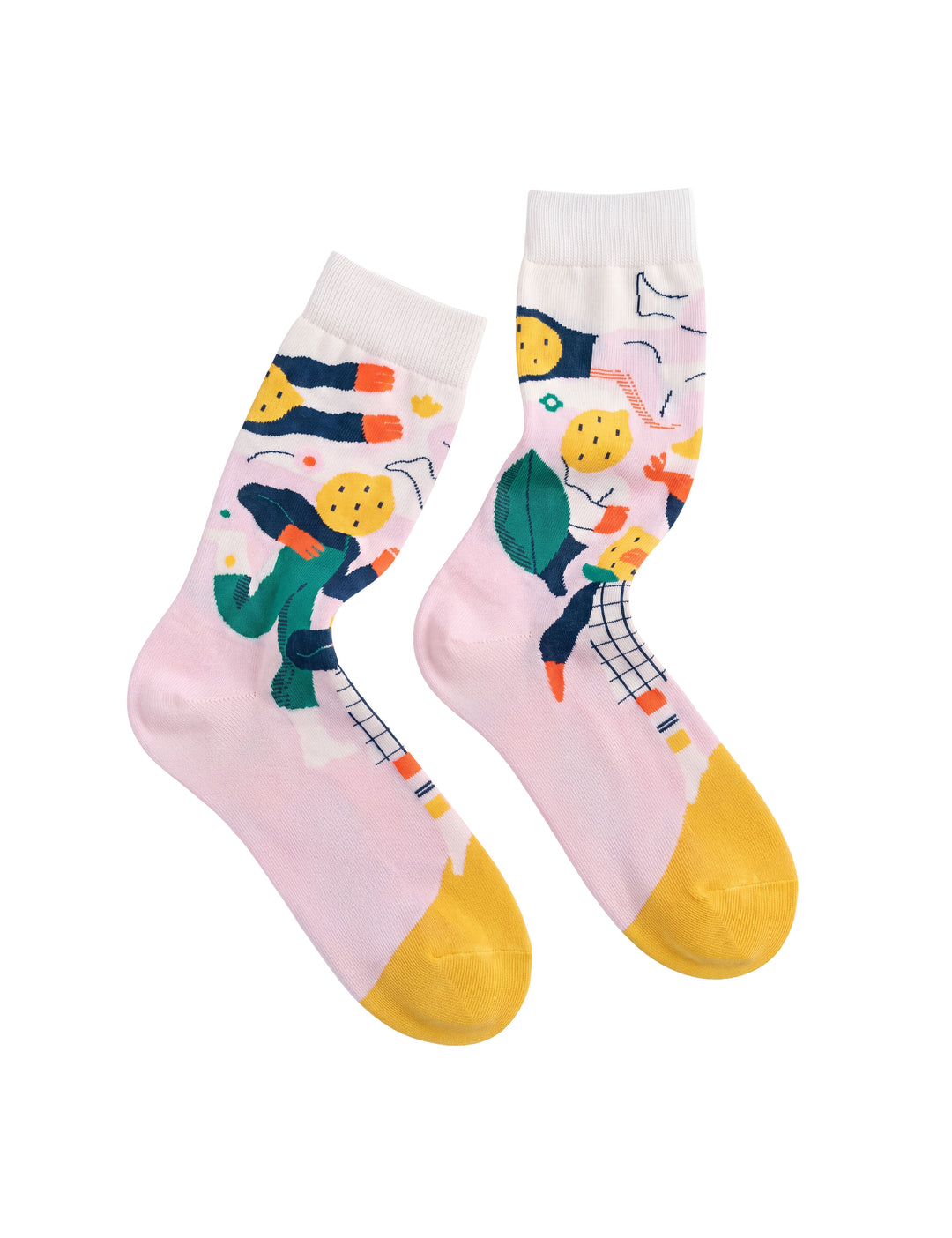
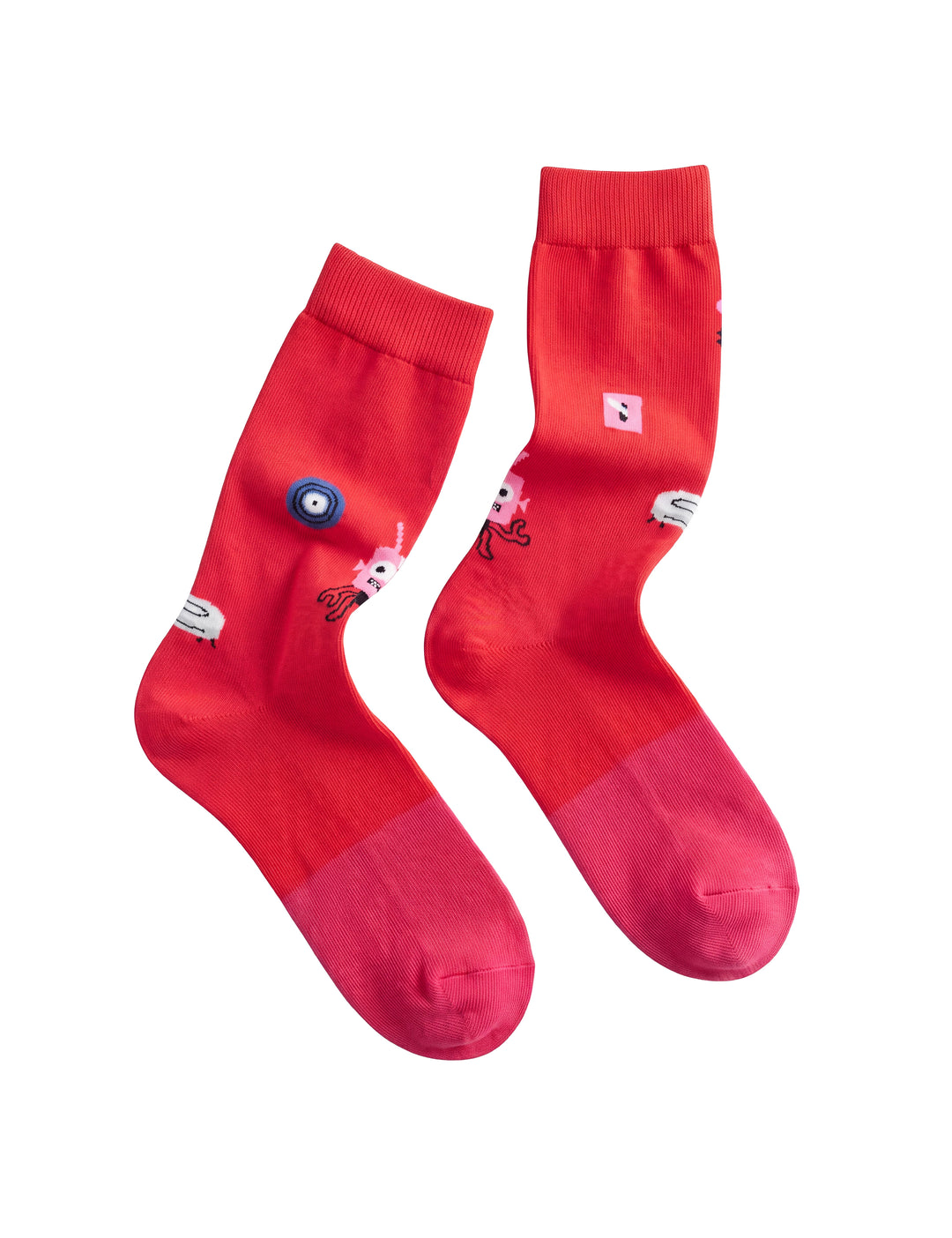
Look closely at a jacquard sock. The lemon, the bird, the flower, the cat – they're hundreds and thousands of small coloured loops bound together into one image.
There's something striking about it.
We're used to thinking of a sock as an ordinary object. But up close it's a small canvas built from thousands of decisions: which yarn to use, where to change colour, how to convey shape with only a few loops.

That's why a good drawing on a sock is a drawing that has become fabric.
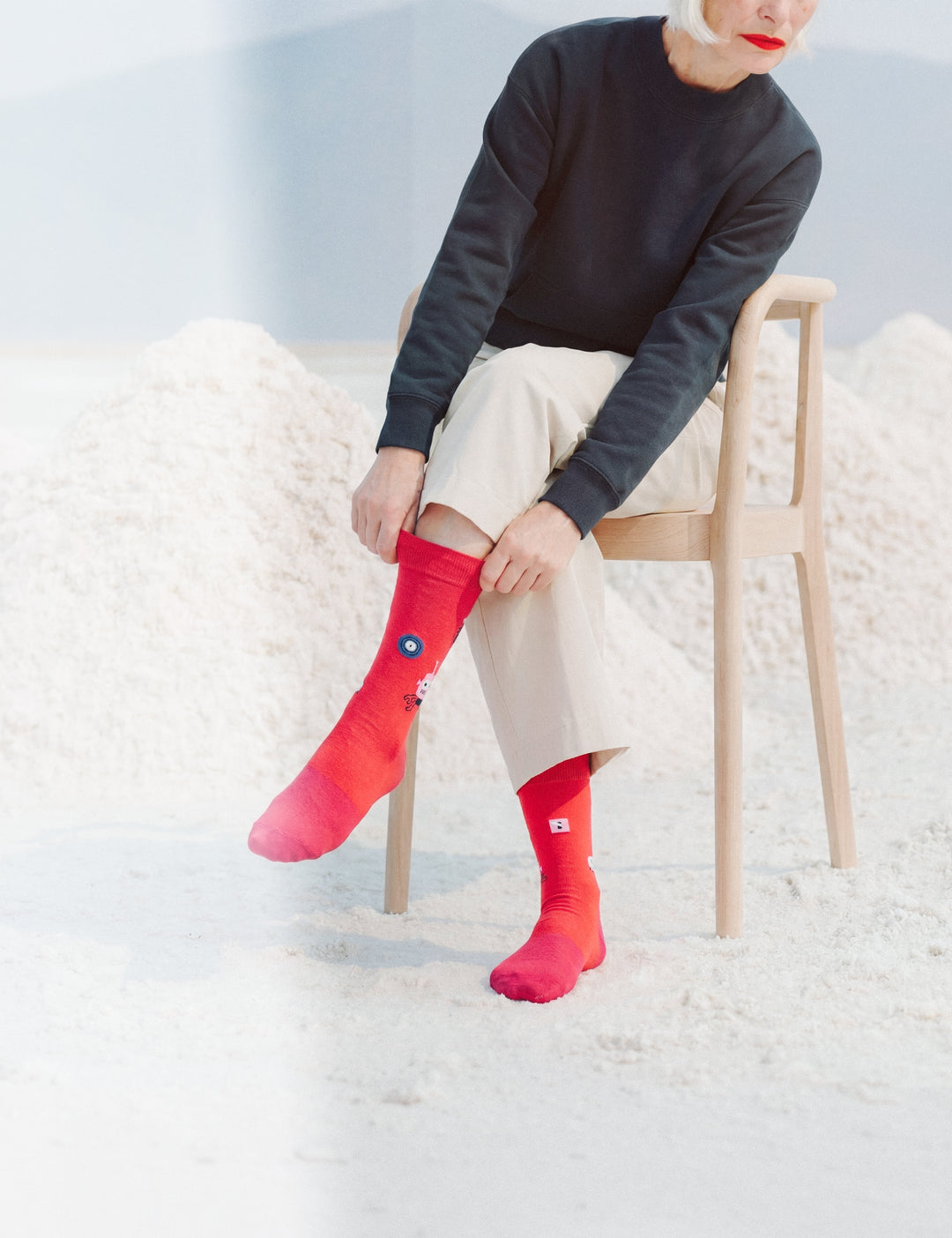
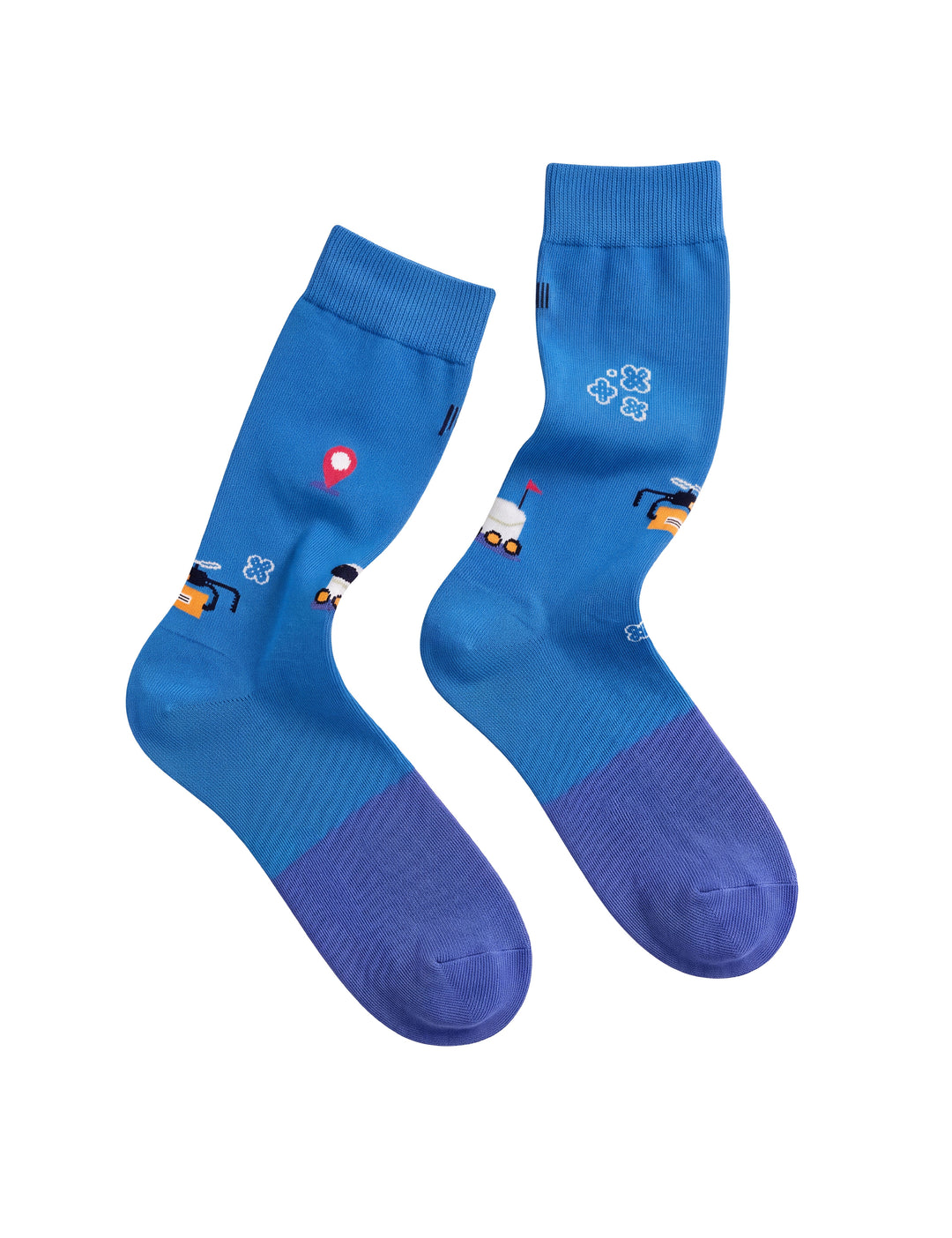
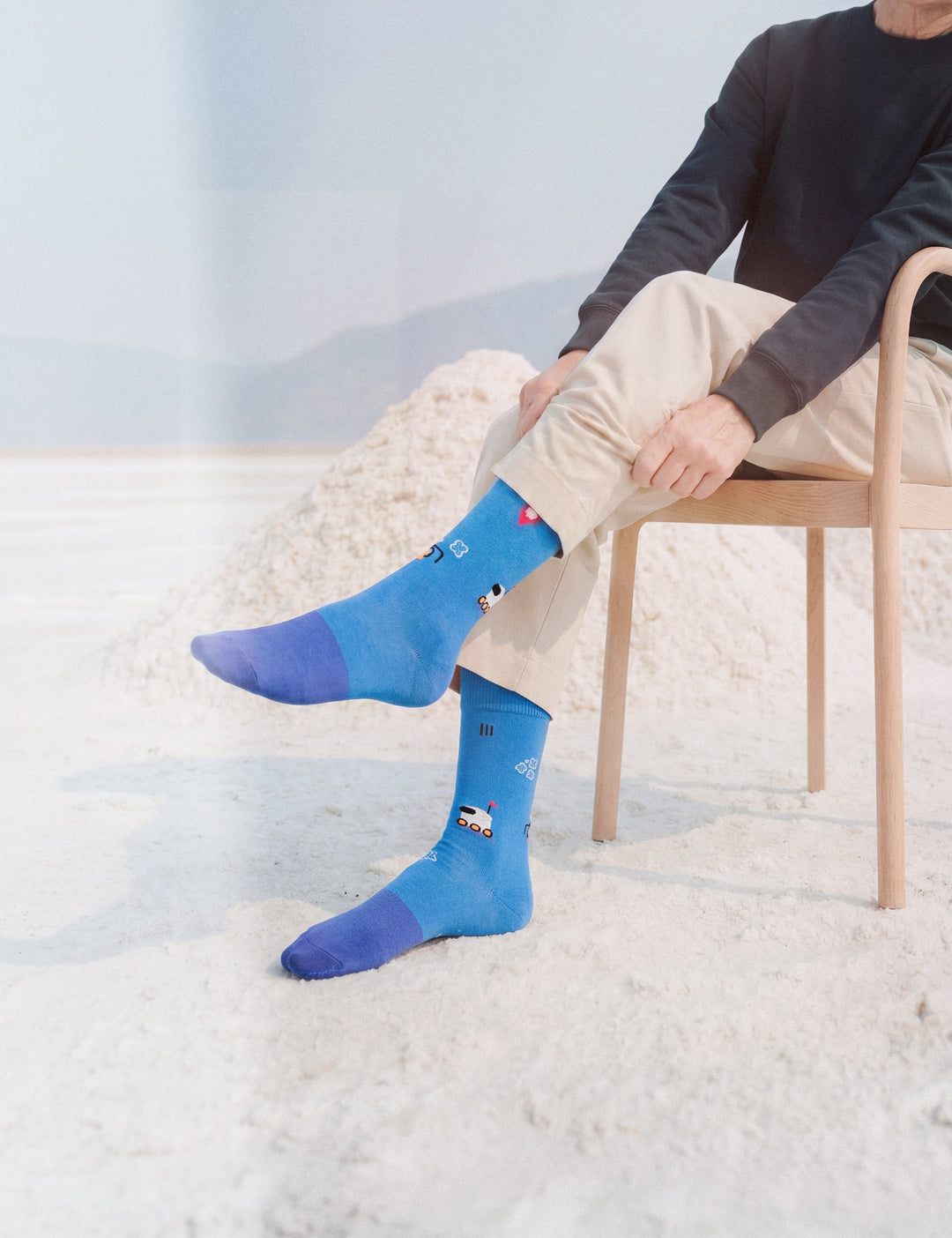
See how pixel art became a sock




Share:
Survivorship bias – why you'll never see most of our designs